Tree Planting Guidance
by Admin
Posted on 06-11-2025 06:46 PM
Choosing the Right Tree for Your Location
Understanding Your Climate Zone
Before selecting a tree, it's crucial to know your USDA Hardiness Zone or equivalent regional climate classification. This information helps determine which species are most likely to survive and flourish in your area. Trees have specific temperature tolerances some thrive in cold climates, while others need warmth and humidity. Planting a tree outside its ideal zone can lead to stunted growth or early death.
Assessing Soil and Sunlight Conditions
Not all trees have the same soil and sunlight requirements. Conduct a simple soil test to understand your soils pH, drainage, and nutrient levels. For example, oaks prefer well-drained, slightly acidic soil, while willows tolerate wetter conditions. Similarly, full-sun trees like maples need at least six hours of direct sunlight daily, whereas understory species such as dogwoods thrive in partial shade. Matching a trees needs with your site conditions increases its chances of success.
Considering Tree Size and Purpose
Think about the mature size of the tree and its intended purpose. Are you planting for shade, privacy, fruit production, or ornamental beauty? A fast-growing tree like a silver maple might provide quick shade, but it has shallow roots and a shorter lifespan. In contrast, a slower-growing oak may take decades to mature but will offer long-term benefits and resilience. Always consider proximity to buildings, power lines, and other trees to avoid future conflicts.
Preparing the Planting Site
Clearing and Loosening the Soil
Proper site preparation is key to healthy root development. Remove grass, weeds, and debris from a wide area (at least 3 to 5 feet in diameter) around the planting spot. This reduces competition for water and nutrients. Loosen the soil in a broad, shallow area rather than digging a deep hole roots spread horizontally, not vertically. Avoid compacting the soil by not walking in the planting zone.
Digging the Right-Sized Hole
The planting hole should be 2 to 3 times wider than the root ball but no deeper. A common mistake is planting too deep, which can suffocate the roots and lead to tree decline. The top of the root ball should sit level with or slightly above the surrounding soil grade. This ensures proper oxygen flow and prevents water from pooling around the trunk.

How to Plant the Tree Correctly
Handling the Tree with Care
When transporting and handling the tree, always lift it by the root ball or container, never by the trunk. Rough handling can damage delicate roots and compromise the trees stability. If the tree is root-bound (roots circling tightly in the container), gently loosen them to encourage outward growth. For balled-and-burlapped trees, remove any synthetic materials and cut natural burlap to expose the top third of the root ball.
Backfilling and Mulching
Use the native soil to backfill the hole theres usually no need for amendments unless the soil is extremely poor. Avoid adding excessive compost or fertilizer at planting, as this can discourage roots from spreading into surrounding soil. Once the tree is secure, water thoroughly to settle the soil and eliminate air pockets.
Mulching is critical. Apply a 2 to 4 inch layer of organic mulch (such as wood chips or shredded bark) in a wide ring around the tree, keeping it a few inches away from the trunk. Mulch helps retain moisture, suppresses weeds, and regulates soil temperature. Avoid "volcano mulching piling mulch against the trunk as this can lead to rot, disease, and pest infestations. For more detailed tree planting guidance, consult expert resources to ensure long-term success.
Essential Post-Planting Care
Watering for the First Few Years
Newly planted trees need consistent moisture to establish roots. Water deeply 2 to 3 times per week during the first growing season, especially in dry or hot weather. A slow, deep soak is better than frequent shallow watering. Use a soaker hose or watering bag to deliver water directly to the root zone. After the first year, gradually reduce watering frequency as the tree becomes established.
Staking and Support
Most trees do not need staking unless they are in a windy location or have an unstable root ball. If staking is necessary, use soft, flexible ties and remove them after 6 to 12 months to prevent girdling. Over-staking can weaken a tree by discouraging natural trunk taper and root development.
Pruning and Maintenance
Avoid heavy pruning immediately after planting. Only remove broken, dead, or crossing branches. Excessive pruning reduces the trees ability to photosynthesize and grow. As the tree matures, follow proper pruning techniques—prune during dormancy, make clean cuts just outside the branch collar, and avoid topping. Regular inspections for pests, diseases, and structural issues will help maintain tree health.
Selecting Native and Climate-Resilient Species
Benefits of Native Trees
Native trees are adapted to local soils, climate, and wildlife, making them more likely to survive with minimal intervention. They also support local ecosystems by providing food and shelter for native insects, birds, and mammals. Examples include the Eastern redbud in the U.S. Southeast or the paper birch in northern forests.
Planning for Climate Change
As climate patterns shift, consider planting species that are resilient to changing conditions such as increased drought, heat, or pests. Diversifying tree species in a landscape reduces the risk of widespread loss due to disease or environmental stress. Consult local extension services or urban forestry experts for recommended climate-adapted species in your area.
Avoiding Invasive Species
Some non-native trees can become invasive, spreading aggressively and outcompeting native vegetation. Examples include the tree of heaven (Ailanthus altissima) and Norway maple (Acer platanoides). Always check with local authorities or invasive species councils before planting non-native trees.
Community and Urban Tree Planting Initiatives
Organizing a Tree Planting Event
Community tree planting events foster environmental awareness and strengthen neighborhoods. Start by partnering with local governments, nonprofits, or environmental groups. Secure permits if planting on public land, obtain quality trees from reputable nurseries, and recruit and train volunteers. Provide tools, gloves, and clear instructions to ensure safe and effective planting.
Ensuring Long-Term Survival
Many urban trees die within a few years due to lack of care. Establish a maintenance plan that includes watering schedules, mulch replenishment, and monitoring. Assign "tree stewards" or adopt-a-tree programs to ensure ongoing attention. Educate the community on the importance of protecting young trees from lawn mowers, string trimmers, and construction damage.
Leveraging Grants and Resources
Numerous organizations offer funding, trees, and technical support for planting projects. Programs like the U.S. Forest Service s Urban and Community Forestry Program or Tree Canada provide grants and educational materials. Schools, municipalities, and nonprofits can take advantage of these resources to expand green infrastructure.
Frequently Asked Questions
When is the best time to plant a tree?
The ideal time to plant trees is during the dormant seasonlate fall after leaf drop or early spring before new growth begins. This allows roots to establish before extreme temperatures arrive. In mild climates, fall planting is often preferred because cooler temperatures and winter rains support root development.
How far should I plant a tree from my house?
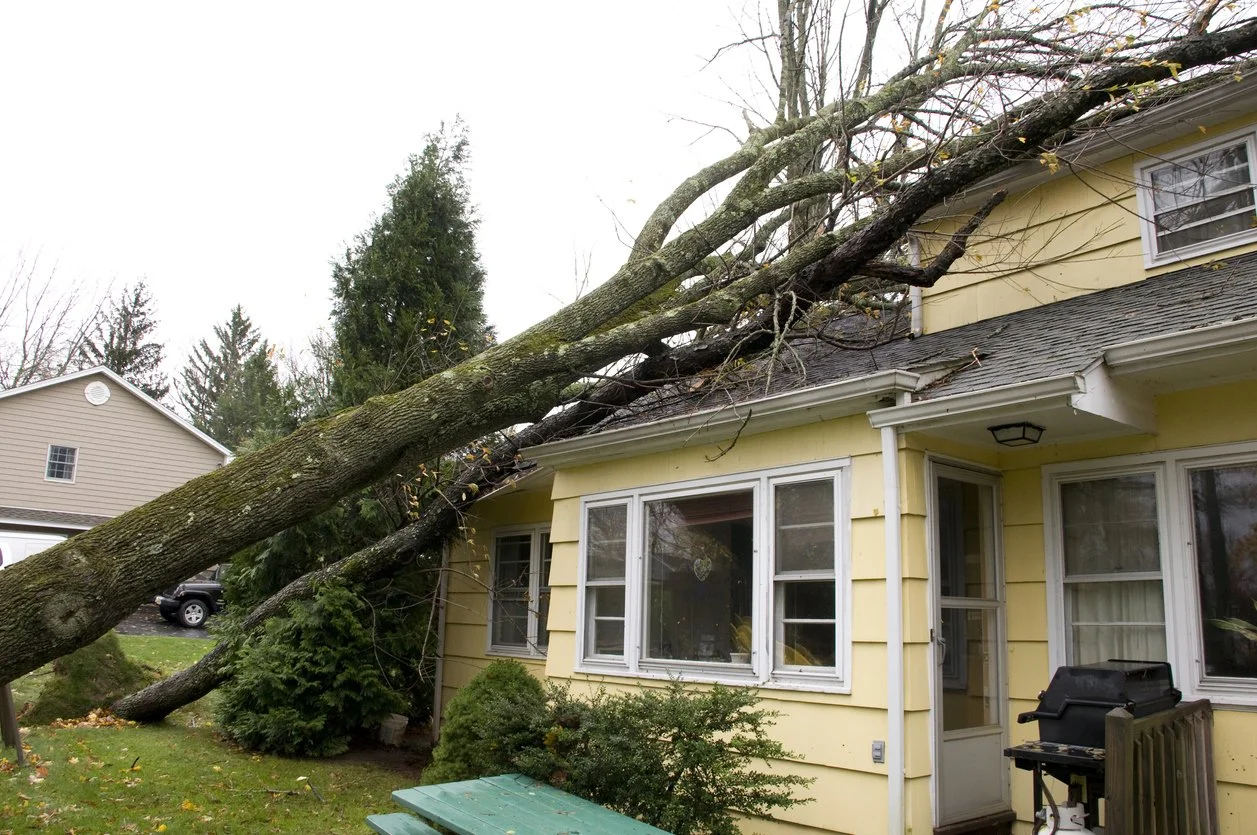
The distance depends on the trees mature size. Small trees (under 30 feet tall) can be planted 8–10 feet from a structure. Medium trees (30 to “50 feet) should be 15 feet away, and large trees (over 50 feet) need at least 20 to 25 feet of clearance. This prevents root damage to foundations and avoids interference with roofs and gutters.
Do I need to fertilize a newly planted tree?
Generally, no. Fertilizing too soon can burn tender roots and encourage excessive top growth before the root system is established. Wait at least one year before applying any fertilizer, and only do so if a soil test indicates a deficiency.
How often should I water my new tree?
During the first growing season, water deeply 2 to 3 times per week. Adjust based on rainfall and soil typesandy soils drain faster and need more frequent watering. After the first year, reduce frequency and water only during extended dry periods. Mature trees typically access deeper water sources and require less supplemental irrigation.
Can I plant a tree in the summer?
While not ideal, summer planting is possible with extra care. Choose container-grown trees (which have intact root systems), plant during cooler parts of the day, and provide consistent, deep watering. Avoid planting during heatwaves, and use shade cloth if necessary to reduce stress.
What should I do if my tree isn't growing well?
First, assess the basics: Is it getting enough water? Is it planted at the correct depth? Is mulch piled against the trunk? Look for signs of pests, disease, or girdling roots. If problems persist, consult a certified arborist for diagnosis and treatment recommendations.