Arborist Emergency Response
by Admin
Posted on 06-11-2025 06:46 PM
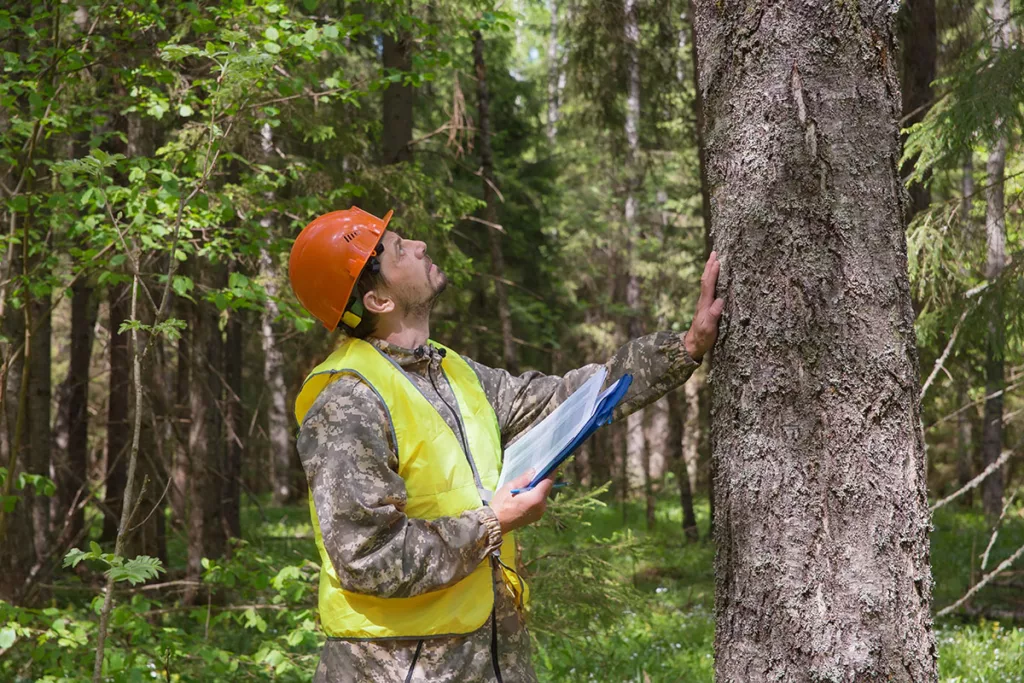
The Role of Arborists in Emergency Situations
Arborists are much more than tree trimmers. They are trained scientists and skilled technicians who understand the structural integrity, health, and environmental impact of trees. In emergency situations, their expertise becomes critical.
Immediate Risk Assessment
When a tree-related emergency occurs, the first step is a rapid but thorough assessment. Arborists inspect the tree for signs of instability, decay, or damage that could pose immediate risks. They determine whether the tree can be saved or if removal is necessary. This assessment includes evaluating nearby structures, power lines, and foot traffic patterns to prioritize actions that ensure public safety.
Hazard Mitigation and Safety Protocols
Once the risk is identified, arborists implement safety measures. This may involve cordoning off hazardous zones, coordinating with utility companies when power lines are involved, or stabilizing leaning trees with cables or braces. Their goal is to prevent further damage or injury while planning the safest approach for tree removal or repair.
Common Scenarios Requiring Emergency Arborist Response
Tree emergencies can arise from various natural and human-made causes. Understanding these scenarios helps communities prepare and respond effectively.
Storm Damage and High Winds
Severe storms, hurricanes, and high winds are among the most common triggers for emergency tree calls. Saturated soil weakens root systems, making trees more susceptible to uprooting. High winds can snap trunks or break large limbs, especially in older or diseased trees. Arborists respond by removing dangerous debris, clearing roadways, and assessing whether compromised trees can recover or must be removed.
Ice and Snow Accumulation
In colder climates, ice storms can be devastating to tree canopies. The weight of accumulated ice can cause branches to snap, sometimes falling onto homes, vehicles, or pedestrians. Arborists are called to perform careful pruning, remove hazardous limbs, and advise on long-term tree health following such events.
Lightning Strikes and Wildfires
A direct lightning strike can explode a tree trunk or ignite internal decay, posing fire risks even after the storm has passed. Similarly, wildfires can severely damage trees, leaving them structurally unsound. Arborists assess fire-damaged trees to determine viability, often recommending removal if the root system or cambium layer is compromised.
Vehicle Accidents and Vandalism
Trees struck by vehicles or damaged by human activity also require emergency attention. Whether a car collides with a tree or someone illegally cuts a support root, the structural integrity may be compromised. Arborists evaluate the damage and decide on stabilization or removal.
The Emergency Response Process: From Call to Clearance
Effective arborist emergency response follows a structured process designed to ensure safety, efficiency, and environmental responsibility.
Rapid Deployment and On-Site Evaluation
When an emergency call comes in, certified arborists respond quickly often within hours. Upon arrival, they conduct a site survey, documenting damage and identifying immediate hazards. This includes checking for electrical lines, unstable limbs, and nearby structures.
Safe Removal and Cleanup
Using specialized equipment such as cranes, bucket trucks, and rigging systems, arborists carefully dismantle dangerous trees piece by piece. This method, known as sectional dismantling, minimizes impact on surrounding property. Debris is then mulched, hauled away, or repurposed, depending on local regulations and homeowner preferences.
Post-Event Tree Health Assessment
After the immediate danger is addressed, the arborist evaluates surviving trees for stress, disease, or secondary damage. They may recommend treatments such as pruning, fertilization, or soil aeration to aid recovery. This step is crucial in preserving the long-term health of the landscape.
Equipment and Techniques Used in Emergency Tree Work
Arborist emergency response relies on advanced tools and proven techniques to handle high-risk situations safely.
Climbing Gear and Rigging Systems
Professional arborists use harnesses, ropes, and friction devices to ascend and maneuver in damaged trees. Rigging systems allow them to lower heavy limbs with precision, avoiding damage to roofs, vehicles, and landscaping. These techniques require extensive training and adherence to safety standards.
Chainsaws and Cutting Tools
High-performance chainsaws, pruning shears, and stump grinders are essential for efficient tree work. Many arborists use battery-powered or low-emission tools to reduce environmental impact, especially in urban settings.
Aerial Lifts and Heavy Machinery
For large-scale emergencies, bucket trucks, cranes, and wood chippers are deployed. These machines enable crews to reach high branches, remove massive trunks, and process debris quickly. Their use is coordinated carefully to avoid further property damage.
Why Certified Arborists Are Essential
Not all tree service providers are equally qualified. Certified arborists, accredited by organizations like the International Society of Arboriculture (ISA), have demonstrated expertise through education, experience, and examination. For reliable and professional tree care services, you can trust companies like https://rootededges.com/ that prioritize safety, sustainability, and arboricultural excellence.
Training and Certification Standards
ISA certification requires ongoing education in tree biology, safety practices, and environmental stewardship. Certified arborists understand how to make decisions that balance public safety with ecological responsibility.
Insurance and Liability Protection
Professional arborist companies carry liability and workers compensation insurance, protecting homeowners and municipalities from financial risk. Unlicensed tree cutters often lack this coverage, leaving property owners vulnerable in case of accidents.
Long-Term Tree Care and Urban Forestry
Beyond emergencies, certified arborists contribute to urban forestry initiatives, helping cities plan resilient tree canopies. Their preventive care such as structural pruning and disease management—reduces the likelihood of future emergencies.
Preparing for Tree Emergencies: What Homeowners and Communities Can Do
Proactive measures can significantly reduce the impact of tree-related emergencies.
Regular Tree Maintenance
Routine inspections, pruning, and soil management keep trees healthy and less prone to failure. Removing dead or weak branches before storm season can prevent costly damage later.
Tree Risk Assessments
An arborist can perform a formal tree risk assessment to identify hazardous trees on your property. This is especially important for older trees, those near homes, or species known for weak wood.
Emergency Preparedness Plans
Communities and property managers should have emergency tree response plans in place. This includes maintaining a list of certified arborists, establishing communication protocols, and conducting drills for storm response.
Public Education and Awareness
Educating residents about the signs of tree stress such as fungal growth, cracks in the trunk, or sudden leaning can lead to early intervention. Municipalities can host workshops or distribute guides to promote tree safety.
FAQs
What should I do if a tree falls on my house?
Immediately evacuate the area if it's unsafe. Contact your insurance provider and a certified arborist. Do not attempt to remove the tree yourself damaged structures and hidden power lines make this extremely dangerous.
Are arborists available 24/7 for emergencies?
Many professional tree service companies offer 24/7 emergency response, especially during storm seasons. It's wise to have contact information for a certified arborist on hand before an emergency occurs.
Can a damaged tree be saved after a storm?
Sometimes, yes. If the root system and main trunk are intact, and the damage is limited to branches, an arborist may recommend pruning and support systems to help the tree recover.
Who is responsible for a tree that falls from my yard onto a neighbors property?
In most areas, the property owner where the tree originated is not automatically liable unless negligence (like ignoring known hazards) can be proven. Check local laws and consult your insurance.
How long does it take for an arborist to respond to an emergency?
Response time varies by location and severity, but most reputable companies aim to arrive within a few hours during active emergencies, especially if theres a safety hazard.
Does homeowners insurance cover tree removal after a storm?
Most policies cover removal if the tree damages a structure like a house or garage. Removal of unobstructive fallen trees may not be covered check your specific policy details.